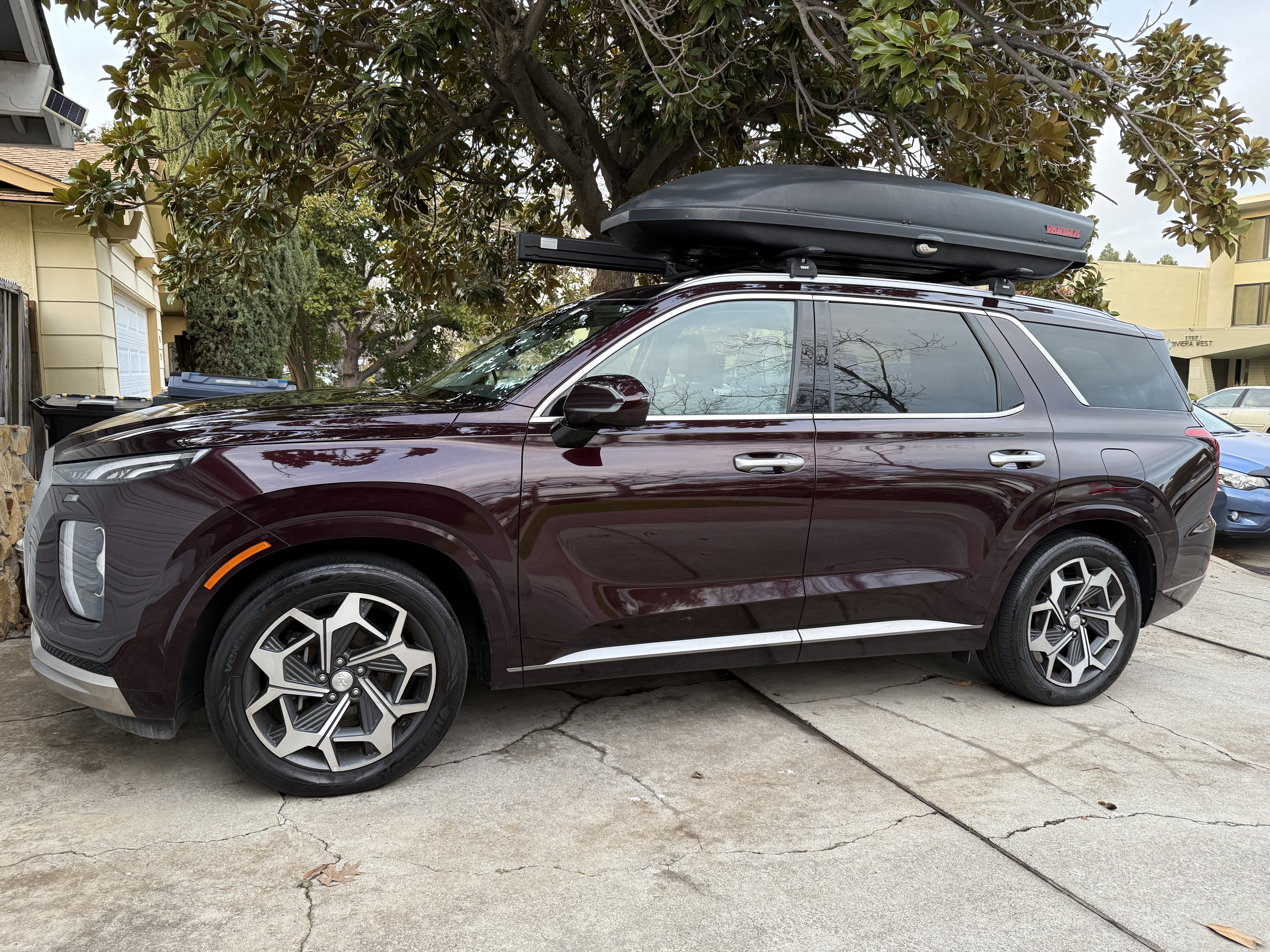
When it comes to SUVs that combine space, style, and performance, the 2023 Hyundai Palisade stands out. Over the past week, this family-friendly vehicle has been more than just a mode of transport; it's sparked discussions about engineering choices and design philosophies. Let's dive deep into this fascinating blend of tradition and modernity, reflecting on its technical specifications, aesthetic details, and the little quirks that may influence your buying decision.
Engine Specifications and Performance: A Classic Touch
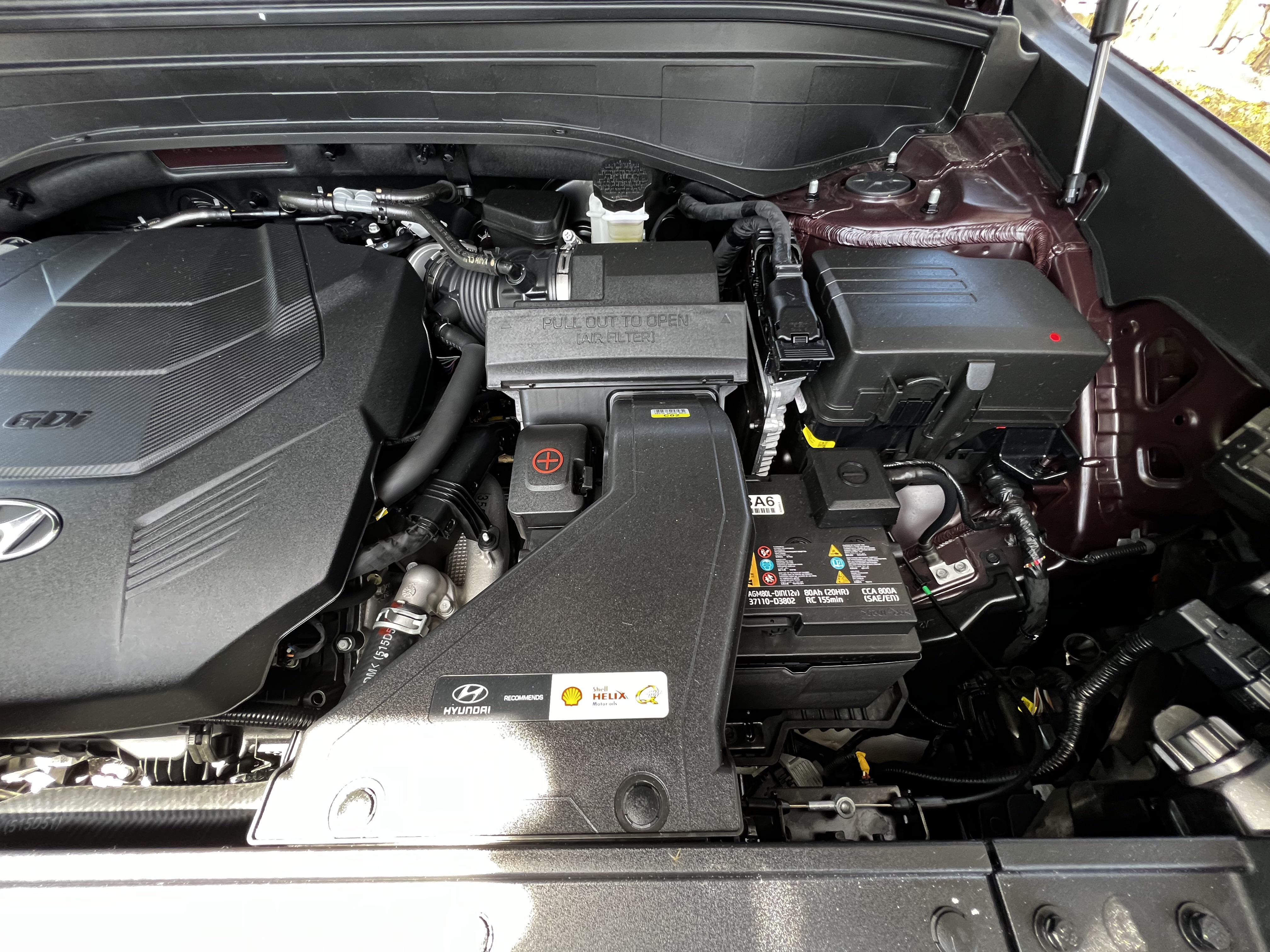
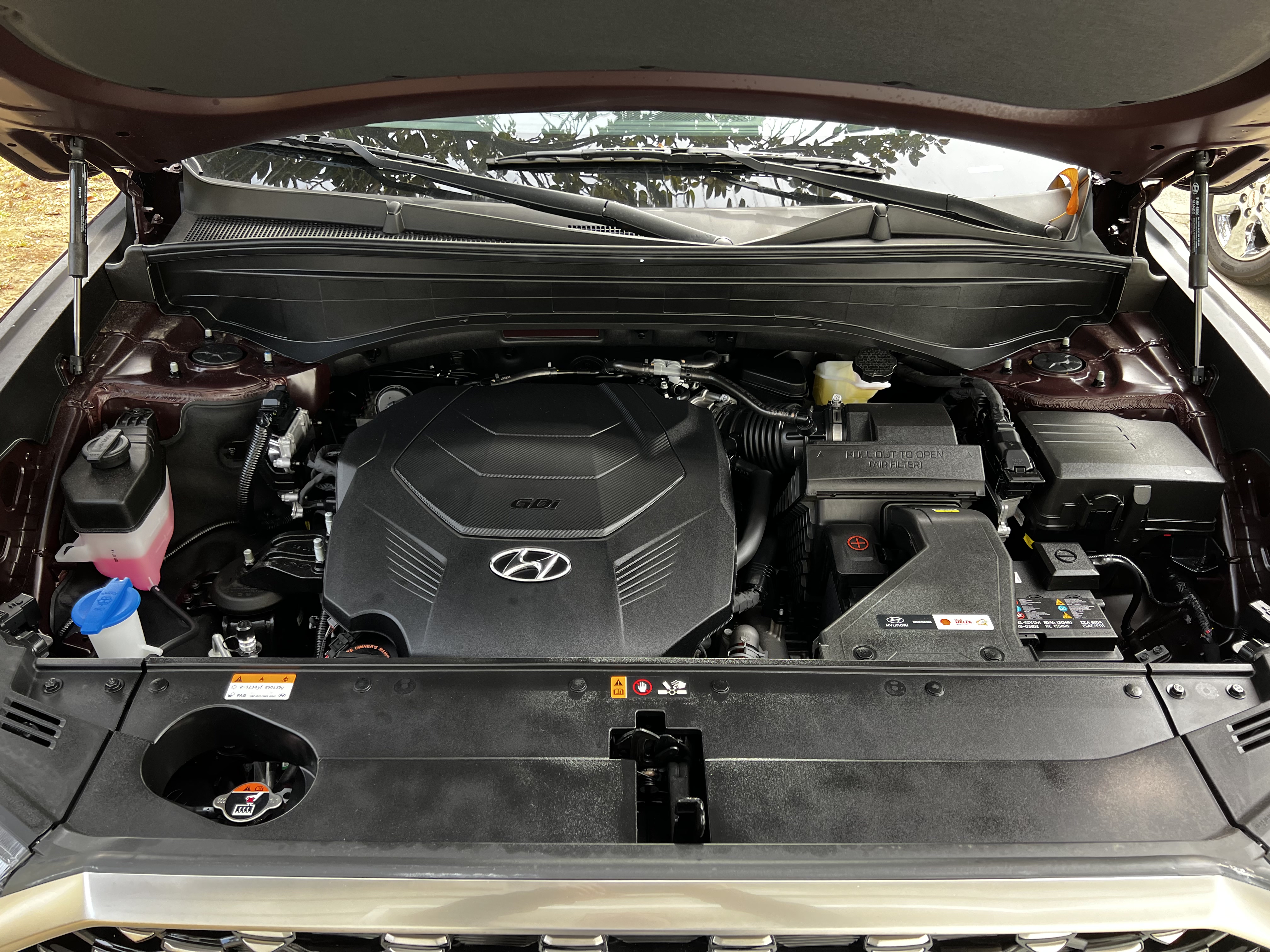
The engine is often the heart of a vehicle. In the case of the 2023 Hyundai Palisade, it boasts a robust 3.8-liter V6 engine. This engine type sets it apart from many competitors, particularly those using smaller turbocharged four-cylinder engines. But what does this mean for performance and reliability?
Engine Type: 3.8L V6
The 3.8L V6 engine is a classic choice. It offers a balance of power and efficiency. With this engine, drivers can expect a smooth ride and ample power for daily driving or family road trips. But, is it the best option available?
- Power Output: This engine delivers a strong performance, making it suitable for various driving conditions.
- Fuel Efficiency: While V6 engines are typically less fuel-efficient than their four-cylinder counterparts, the Palisade manages to strike a decent balance.
However, the engine's design is considered "old school." This brings us to an important aspect: the use of direct injection technology.
Direct Injection Technology and Potential Carbon Buildup Issues
Direct injection is a method where fuel is injected directly into the combustion chamber. This can enhance performance and efficiency. However, it also has its downsides. One significant concern is carbon buildup.
Carbon buildup occurs when fuel does not completely burn, leading to deposits forming on the intake valves. This can affect engine performance over time. Many drivers wonder: is this a common issue with the Palisade's engine? The answer is yes, it has been reported in previous iterations of similar engines.
So, what can be done? Regular maintenance is crucial. Cleaning the intake valves periodically can help mitigate this problem. But, this adds to the overall cost of ownership. Is it worth it for the performance benefits? That’s a question each driver must consider.
Other Engine Comparisons in Hyundai and Kia Models
When comparing the Palisade's engine to others in the Hyundai and Kia lineup, there are some notable differences. For instance, the Kia Telluride, which shares a platform with the Palisade, also features the same 3.8L V6 engine. This creates a unique situation where both vehicles compete closely.
However, Hyundai and Kia offer other engine options in different models. For example:
- Turbocharged Engines: Some models feature smaller, turbocharged engines that provide better fuel efficiency.
- Hybrid Options: Hyundai has introduced hybrid engines in some of its vehicles, appealing to eco-conscious consumers.
These alternatives can be attractive for buyers looking for something different. They offer a blend of modern technology and efficiency that the traditional V6 may lack.
Transmission and Performance Considerations
The Palisade is paired with an eight-speed automatic transmission. While this transmission performs smoothly, concerns linger regarding its longevity. Hyundai has faced challenges with transmissions in the past. Will this history affect the Palisade’s reliability?
Many drivers appreciate the smooth shifting of the eight-speed. However, the question remains: how will it hold up over time? Regular maintenance and careful driving can extend its lifespan, but potential buyers should be aware of these factors.
Conclusion
In summary, the 3.8L V6 engine in the 2023 Hyundai Palisade is a solid choice for those seeking power and performance. However, the direct injection technology raises concerns about carbon buildup, which could affect long-term reliability. When comparing it to other engines in the Hyundai and Kia lineup, buyers have options that may better suit their needs. Ultimately, understanding these specifications and potential issues is crucial for making an informed decision.
Transmission Insights: Smooth Yet Traditional
Transmission Details and Performance Analysis
The transmission system in the twenty twenty-three Hyundai Palisade is an eight-speed automatic. This choice sets it apart from many newer vehicles that utilize dual-clutch or continuously variable transmissions. But what does this mean for the average driver? In simple terms, the eight-speed automatic is designed to provide a smooth driving experience. Shifts are generally seamless, which enhances comfort during daily commutes or long road trips.
However, there are some concerns. Hyundai has faced criticism in the past regarding transmission reliability. The Palisade's traditional setup raises questions about its longevity. Will it hold up over time? That’s a valid concern for potential buyers. While the smoothness of the transmission is commendable, the fear of potential issues looms large. The transmission is paired with a robust 3.8-liter V6 engine, which many see as a strong advantage. Yet, this engine's "old school" design, with its outdated technologies, might not be suitable for everyone.
Comparison with Other Hyundai Models
When comparing the Palisade to other Hyundai models, several differences emerge. For instance, the smaller Hyundai Tucson features a more modern engine and transmission setup. The Tucson's turbocharged four-cylinder engine offers a different driving experience, focusing on efficiency and responsiveness. In contrast, the Palisade's V6 engine emphasizes power and performance.
Moreover, the transmission in the Tucson is also designed for a smoother ride, but it benefits from newer technology that may enhance reliability. This raises an interesting question: Is the traditional approach of the Palisade a drawback in a market that increasingly favors innovation? While the Palisade is a strong contender in the family SUV segment, it must compete with models that offer more modern engineering.
Functionality in Various Driving Conditions
How does the Palisade perform in different driving conditions? This is a crucial aspect for any family vehicle. The eight-speed automatic transmission is designed to adapt to various terrains. Whether navigating city streets or tackling winding country roads, the transmission aims to provide a consistent driving experience.
- Urban Driving: In city settings, the Palisade's transmission shifts smoothly, allowing for easy acceleration and deceleration. Stop-and-go traffic is manageable, thanks to its responsive nature.
- Highway Performance: On highways, the V6 engine paired with the eight-speed transmission delivers ample power for merging and overtaking. Drivers can expect a confident performance at higher speeds.
- Off-Road Capability: While the Palisade is primarily designed for family use, it can handle light off-road conditions. The transmission's adaptability helps maintain control on uneven surfaces.
However, it’s essential to note that the Palisade may not be the best option for extreme off-roading. It lacks the specialized features found in more rugged vehicles. For families who enjoy weekend getaways in nature, this could be a limitation. But for everyday driving and occasional adventures, the Palisade holds its own.
Driver Experience and Comfort
Comfort is another critical aspect of the Palisade's appeal. The transmission's smooth operation contributes to a relaxed driving experience. Passengers can enjoy a quiet cabin, free from the jarring shifts that can occur in less refined systems. This is particularly important for families with children, who may be sensitive to abrupt movements.
In summary, the transmission in the twenty twenty-three Hyundai Palisade offers a blend of traditional engineering and modern performance. While it excels in providing a smooth ride, concerns about reliability and adaptability linger. The comparison with other Hyundai models reveals a shift towards more innovative technologies, which may appeal to a younger audience. Ultimately, the Palisade remains a strong choice for families, but prospective buyers should weigh their options carefully, especially regarding long-term usage and driving conditions.
Suspension and Underbody Design: An Analysis of Durability
Front Suspension Details and Design Functionality
The front suspension of a vehicle plays a crucial role in its overall performance. In the case of the twenty twenty-three Hyundai Palisade, it features a MacPherson strut setup. This design is known for its simplicity and effectiveness. But what does that mean for the driver?
MacPherson struts are widely used in modern vehicles. They combine the shock absorber and spring into a single unit. This integration allows for a more compact design, which can save space and reduce weight. However, this simplicity can sometimes come at a cost. While the setup is effective for most driving conditions, it may not provide the same level of handling precision as more complex systems.
Additionally, the front suspension's design impacts ride quality. A well-designed suspension can absorb bumps and road imperfections, providing a smoother ride. In the Palisade, the front suspension is engineered to handle various terrains, which is essential for an SUV. But is it robust enough for long-term use? That’s a question many potential buyers might ponder.
Comparison of Materials Used in Construction
When evaluating the durability of a vehicle, the materials used in its construction are vital. The Hyundai Palisade employs a mix of materials that have both advantages and disadvantages. For instance, the steel oil pan is praised for its durability. Steel is known for its strength and resistance to damage. However, not all materials in the Palisade's underbody are as commendable.
The plastic oil filter housing, for example, has received criticism. While plastic can be lightweight and cost-effective, it may not hold up as well over time compared to metal alternatives. This raises concerns about potential leaks or failures, especially in harsh driving conditions.
Moreover, the choice of materials extends beyond just the oil pan and filter housing. The overall construction quality can be seen in the welds and insulation used throughout the vehicle. Some reports indicate instances of inadequately executed welds, which could compromise the structural integrity over time. This is a significant concern for anyone looking for a vehicle that will last.
Potential Long-Term Maintenance Concerns
Long-term maintenance is a critical factor for any vehicle owner. The Hyundai Palisade, while offering many appealing features, does raise some flags in this area. The engine, a large 3.8-liter V6, is described as having an "old school" design. This means it retains several outdated technologies. While many appreciate the power it provides, there are concerns about potential carbon buildup, especially with direct fuel injection systems.
Additionally, the transmission system in the Palisade is an eight-speed automatic. While it performs smoothly, Hyundai has faced issues with transmission reliability in the past. This history can lead to apprehension among potential buyers. Will this transmission stand the test of time? Only time will tell.
Furthermore, the overall durability of the underbody components is essential. The presence of plastic parts, like the oil filter housing, could lead to increased maintenance needs down the road. As these components age, they may become more susceptible to wear and tear. This could result in costly repairs or replacements.
In summary, while the Hyundai Palisade offers a robust front suspension and a mix of materials, potential buyers should consider the long-term implications of these design choices. The balance between durability and functionality is delicate. Understanding the materials used and the design's effectiveness is crucial for anyone looking to invest in a family SUV.
In the end, the Palisade stands out in many ways, but it also presents challenges that require careful consideration. Will the benefits outweigh the potential drawbacks? That’s a question every buyer must answer for themselves.
Exterior Design: Aesthetic Approach to Functionality
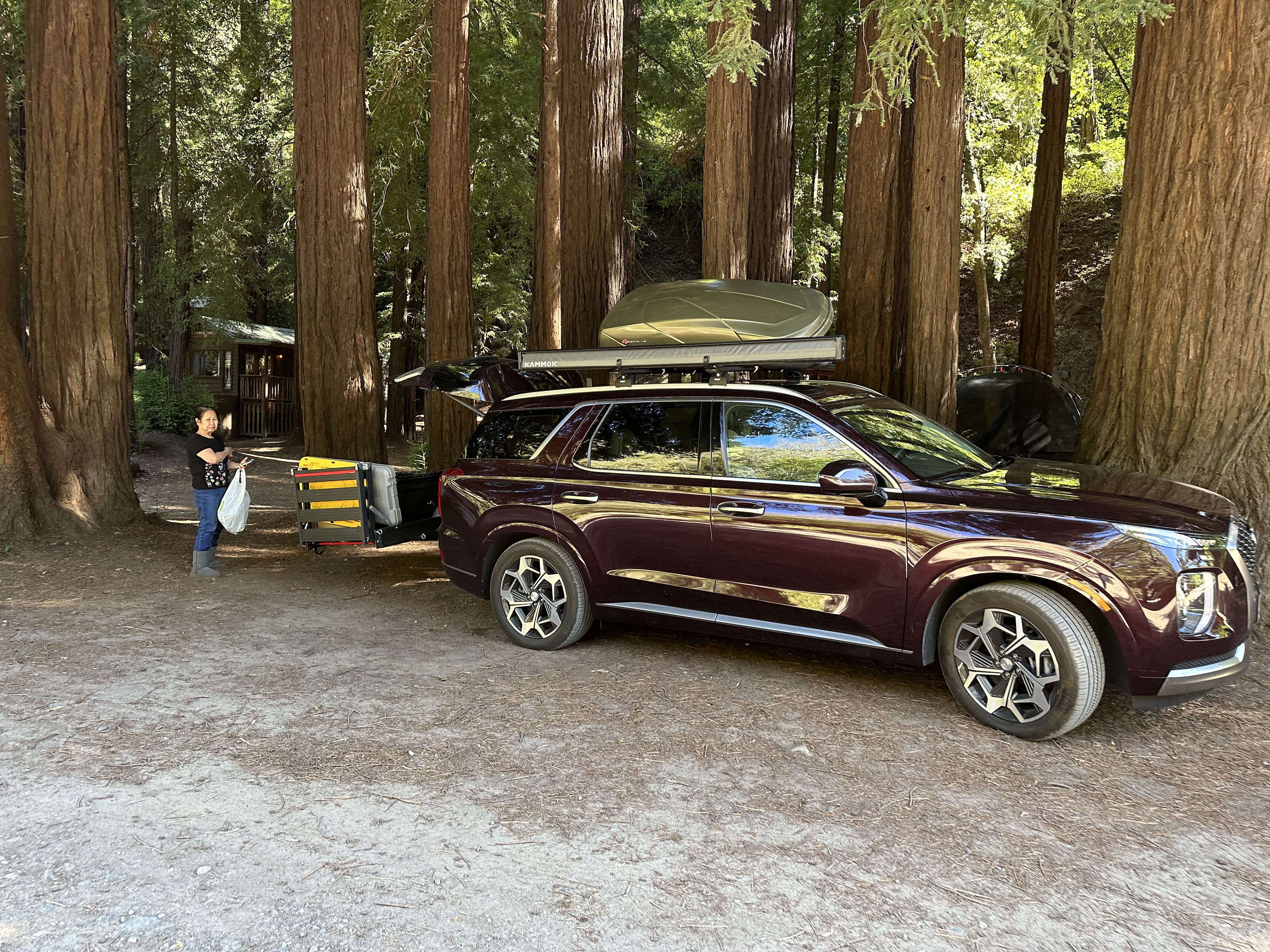
The exterior design of a vehicle is more than just a pretty face. It’s a blend of aesthetics and functionality. The twenty twenty-three Hyundai Palisade exemplifies this balance, showcasing styling elements that evoke luxury while addressing practical needs. Let’s explore how these aspects come together in the world of SUV design.
Styling Elements Reminiscent of Luxury Brands
When one looks at the Palisade, it’s hard not to draw comparisons to high-end brands. The boxy shape is reminiscent of luxury SUVs like the Range Rover. This design choice isn’t merely for show; it reflects a trend in the SUV market that favors a more robust, commanding presence on the road.
Angular headlights add a modern touch, creating a striking appearance. However, there are practical considerations here too. The low placement of these headlights can lead to snow obstruction in colder climates. This raises the question: how do designers balance style with function? The answer lies in thoughtful integration. For instance, radar sensors are seamlessly incorporated into the front geometry, enhancing safety without compromising aesthetics.
- Boxy Shape: Aligns with successful SUV trends.
- Angular Headlights: Striking yet functional, though they may pose challenges in snowy conditions.
- Radar Sensors: Integrated effectively for safety.
Functional Considerations in SUV Design
Functionality is paramount in SUV design. The Palisade stands out not just for its looks but also for its practical features. The robust construction includes a steel oil pan, praised for its durability. Yet, not all choices are ideal; the plastic oil filter housing has drawn criticism for its potential long-term risks.
Suspension design plays a crucial role in performance. The front suspension utilizes a MacPherson strut setup, which is simple yet effective. Meanwhile, the rear multi-link suspension indicates a strong design, enhancing ride quality. However, some quality concerns linger, such as inadequate welds and flimsy insulation that can increase interior road noise. This raises an important point: how do manufacturers ensure quality while keeping costs down?
- Durable Construction: Steel oil pan for longevity.
- Suspension Design: MacPherson strut setup for effective handling.
- Quality Concerns: Issues like inadequate welds can affect overall experience.
Visibility and Accessibility Features
Visibility is another critical aspect of SUV design. The Palisade’s design includes features that enhance driver awareness. Large windows and a commanding driving position offer excellent sightlines. This is vital for safety, especially in a family vehicle where the driver must be aware of their surroundings.
Accessibility is equally important. The Palisade shines in this area, particularly with its third-row seating. Accessing this space is made easy, allowing for three adult passengers to fit comfortably. Features like power-folding seats further enhance usability, making it a family-friendly option. But what about the little details? Thoughtful placements of USB chargers in the rear show that the designers considered the needs of all passengers.
- Large Windows: Enhance visibility for safer driving.
- Third-Row Accessibility: Easy access for passengers.
- Power-Folding Seats: Add convenience for families.
In conclusion, the twenty twenty-three Hyundai Palisade exemplifies a well-rounded approach to exterior design. It successfully merges aesthetic appeal with functional considerations, making it a compelling choice in the crowded SUV market. The styling elements evoke luxury, while the practical features ensure that it meets the demands of everyday life. As the automotive landscape evolves, the Palisade stands as a testament to the importance of balancing beauty with utility.
Interior Quality: Where Luxury Meets Family Needs
When it comes to family vehicles, the interior quality is paramount. Families need a space that is not only luxurious but also practical. The Hyundai Palisade is a prime example of how these two elements can coexist. Let's delve into the various aspects of its interior that cater to both luxury and family needs.
Materials Used in Upholstery and Dashboard
The materials in the Hyundai Palisade's interior are a significant factor in its appeal. The Calligraphy trim stands out with its use of soft Nappa leather, which adds a touch of elegance. This luxurious upholstery is not just for show; it provides comfort during long drives. The suede headliner further enhances the feeling of luxury, creating a refined atmosphere.
However, it’s essential to consider the balance between luxury and practicality. While the high-end materials are impressive, some areas feature plastic components that can feel out of place. For instance, certain dashboard elements may not match the quality of the leather seats. This contrast raises questions: Can a vehicle truly be considered luxurious if it compromises on materials in some areas?
Moreover, the dashboard layout is designed with functionality in mind. Large touchscreens and intuitive controls make it easy for drivers to access essential functions without distraction. This is crucial for families on the go. The combination of high-quality materials and user-friendly technology creates an inviting environment for everyone.
Storage Solutions and Space Utilization
Space is a critical consideration for families. The Hyundai Palisade excels in this area, offering innovative storage solutions that maximize usability. The vehicle features numerous compartments for stowing away personal items, from small gadgets to larger bags. This thoughtful design helps keep the interior organized, which is a must for families with children.
- Third-row seating: The Palisade comfortably accommodates three adult passengers in the back, making it ideal for family outings.
- Power-folding seats: These add functionality, allowing for easy access to the rear cargo area when needed.
- USB chargers: Strategically placed throughout the cabin, these chargers ensure that devices stay powered, catering to the tech-savvy family.
But what about the ease of access? The design of the Palisade makes getting in and out of the third row a breeze. This is a significant advantage for families, especially when dealing with children who need assistance. The spaciousness of the interior, combined with smart storage solutions, creates a family-friendly environment that doesn’t sacrifice comfort.
Technologies for Families and Children
In today's world, technology plays a vital role in family vehicles. The Hyundai Palisade is equipped with features that cater specifically to families. For instance, the large touchscreen interface is not only user-friendly but also integrates seamlessly with smartphones. This allows parents to access navigation and entertainment options without hassle.
Moreover, the vehicle includes advanced safety technologies. Features like lane-keeping assist and adaptive cruise control provide peace of mind for parents. After all, safety is a top priority when transporting loved ones. These technologies are designed to make driving easier and safer, which is a significant consideration for families.
Entertainment options are also abundant. Rear-seat entertainment systems can keep children engaged during long trips. This is a game-changer for parents who know the challenges of keeping kids occupied on the road. With these technologies, the Palisade transforms into a family-friendly haven, ensuring that every journey is enjoyable.
In summary, the Hyundai Palisade stands out for its interior quality, combining luxurious materials with practical features. Families will appreciate the thoughtful storage solutions and advanced technologies that enhance their driving experience. It’s a vehicle that truly understands the needs of modern families, making it a strong contender in the competitive SUV market.
Consumer Opinions: What are Real Users Saying?
In today's market, consumer opinions play a vital role in shaping the perception of any vehicle. The twenty twenty-three Hyundai Palisade is no exception. As it competes with the likes of the Kia Telluride and other SUVs, understanding what real users are saying can provide valuable insights. This section delves into user engagement with reviews, a comparative analysis with competitors, and the adaptability of the Palisade for varying lifestyles.
Engagement with User Reviews
User reviews are a treasure trove of information. They offer firsthand accounts of experiences, both positive and negative. Many owners of the Hyundai Palisade have taken to online platforms to share their thoughts. For instance, one user noted,
“The Palisade feels like a luxury SUV without the luxury price tag.”This sentiment resonates with many who appreciate the vehicle's upscale features, especially in the Calligraphy trim.
However, not all feedback is glowing. Some users express concerns about the engine's design. The V6 engine, while powerful, has been labeled as "old school." This raises questions about its long-term reliability. A user commented,
“I love the power, but I worry about the carbon buildup issues I’ve heard about.”Such insights highlight the importance of considering user experiences when evaluating the Palisade.
Comparative Analysis with Competitors
When comparing the Hyundai Palisade to its competitors, several factors come into play. The Kia Telluride, for example, is often mentioned alongside the Palisade. Both vehicles share a platform, yet they cater to slightly different audiences. The Telluride is praised for its sporty handling, while the Palisade leans more towards comfort and luxury.
- Powertrain: The Palisade's 3.8-liter V6 engine offers robust performance. In contrast, some competitors opt for smaller turbocharged engines. This can lead to better fuel efficiency but may sacrifice power.
- Interior Quality: Users frequently highlight the Palisade's luxurious interior, especially in higher trims. Many find it superior to competitors like the Ford Explorer, which some describe as feeling more utilitarian.
- Technology: The Palisade's technology features, such as large touchscreens and intuitive controls, often receive praise. However, some users wish for more customization options, particularly in the gauge display.
In summary, while the Palisade stands strong against its rivals, it’s essential to consider user feedback. This feedback often reveals nuances that might not be evident in professional reviews.
Adaptability for Varying Lifestyles
The Hyundai Palisade is designed with families in mind, but its adaptability extends beyond that. One of the standout features is its spacious interior, which comfortably accommodates up to eight passengers. This makes it an excellent choice for larger families or those who frequently travel with friends.
Moreover, the rear passenger area is equipped with heated and cooled seats, enhancing comfort for all. A user remarked,
“My kids love the heated seats in the back, especially during winter!”This attention to passenger comfort is a significant selling point.
For those who lead active lifestyles, the Palisade offers practical features. The third-row seats fold down easily, providing ample cargo space for sports gear or luggage. Additionally, the thoughtful placement of USB chargers ensures that devices remain powered during long trips.
However, it’s worth noting that some users have pointed out the presence of plastic components in certain areas. While the luxurious upgrades are impressive, the contrast can be jarring. One user mentioned,
“I love the luxury feel, but the plastic bits remind me it’s not a true luxury SUV.”This feedback highlights the need for Hyundai to balance aesthetics with functionality.
Ultimately, the Palisade's adaptability makes it a strong contender in the SUV market. Whether for family outings, road trips, or daily commutes, it caters to a variety of needs. The combination of comfort, space, and user-friendly features positions it well for diverse lifestyles.
Conclusion: A Hybrid of Old and New Engineering
The twenty twenty-three Hyundai Palisade stands as a compelling example of how modern engineering can blend with traditional automotive elements. This SUV has garnered attention for its unique combination of features that appeal to a wide range of buyers. On one hand, it boasts a powerful 3.8-liter V6 engine, which many enthusiasts appreciate for its robust performance. On the other hand, it retains some "old school" design aspects that may raise eyebrows among those looking for cutting-edge technology.
Modern Features with Traditional Elements
The Palisade's exterior design is a testament to its modernity. Its boxy shape and angular headlights resonate with current SUV trends, drawing comparisons to luxury models like the Range Rover. This aesthetic appeal is not just skin deep; the vehicle integrates advanced features like radar sensors seamlessly into its design. However, the traditional elements are evident in its engine choice and transmission system, which, while effective, may not align with the latest automotive innovations.
Inside, the Palisade shines, especially in its Calligraphy trim. The luxurious touches, such as soft Nappa leather and a suede headliner, elevate the experience for passengers. The large touchscreens and intuitive controls are modern conveniences that enhance usability. Yet, some components, like the gauge display, lack customization options, which might disappoint tech-savvy users. This blend of modern and traditional creates a unique driving experience that appeals to a diverse audience.
Further Considerations for Prospective Buyers
For those considering the Palisade, there are several factors to weigh. The vehicle's powertrain, while powerful, raises questions about reliability and longevity. The V6 engine's design, although strong, has been criticized for potential carbon buildup issues. Similarly, the eight-speed automatic transmission, while smooth, has a history of concerns that buyers should be aware of. This is particularly important for families or individuals who plan to use the vehicle in demanding driving conditions.
Moreover, while the Palisade offers a wealth of features aimed at enhancing comfort and convenience, the presence of plastic components in certain areas may detract from the overall luxurious feel. Buyers should consider how these elements align with their expectations for quality and durability. The vehicle's warranty, touted as one of the best in the industry, provides some reassurance against potential issues, but it’s wise to think about long-term usage and maintenance.
Wrap-up on the Palisade’s Market Positioning
The Hyundai Palisade has carved out a significant niche in the competitive SUV market. It positions itself as a family-friendly vehicle that combines modern features with traditional engineering. This hybrid approach appeals to a wide audience, from those seeking luxury to families needing practicality. However, prospective buyers should approach with caution, particularly regarding the vehicle's powertrain. While the Palisade offers a strong package overall, it’s essential to weigh the benefits against potential drawbacks.
In conclusion, the twenty twenty-three Hyundai Palisade represents a thoughtful blend of old and new engineering. Its modern features, combined with traditional elements, create a unique offering in the SUV market. As buyers consider their options, they should keep in mind the vehicle's strengths and weaknesses. Ultimately, the Palisade stands out as a solid choice, but it requires careful consideration to ensure it meets the long-term needs of its owners.
TL;DR: The 2023 Hyundai Palisade offers an intriguing mix of old-school engineering and modern design, making it a noteworthy contender in the SUV market. From its substantial V6 engine to its luxurious interior, it caters well to families while raising some questions about durability and maintenance.


